
Kelly Chang's Seoul Guide: Skincare, Sky-High Hotels, and the Details Most Guides Leave Out
By Kelly Chang, TripMatters, a VIRTUOSO travel agency in Tustin, California

My husband and I traveled to Seoul for what started as a personal getaway, but I could not help approaching the trip with my advisor hat on. I wanted to understand the hotels, the neighborhoods, the way people actually get around, and most of all, who I would confidently send to Seoul and who I would gently steer somewhere else first.
What I found was a city that rewards preparation and gives back experiences I have not had anywhere else.
Waking Up Above the Clouds at Signiel Seoul
We landed around 10pm on our first night and went straight to Signiel Seoul, the luxury hotel built into the landmark Lotte World Tower in the greater Gangnam area. Signiel is the first luxury landmark hotel representing Korea, operated by Lotte Hotels and Resorts, and you feel that sense of occasion the moment you walk in.

The hotel sits so high above the city that when I woke up the next morning, I genuinely felt like we were floating above the clouds. The Han River stretched out on one side and the entire Seoul skyline filled the other. It is the kind of view that makes you forget to make coffee.
The details are where Signiel earns its reputation. The blanket on our bed was honestly one of the best I have ever slept under, exactly the sort of small thing I now know to tell clients about. The breakfast buffet exceeded every expectation. One evening we went up to the bar for a few drinks above the skyline, which is an experience all on its own. Between the Salon de Signiel lounge on the 79th floor, the Michelin-caliber dining, the champagne bar, and the spa, Signiel becomes a destination in itself, not just a place to sleep. I will go much deeper on all of it in a dedicated Signiel Seoul review.
Discovering Seoul's Neighborhoods
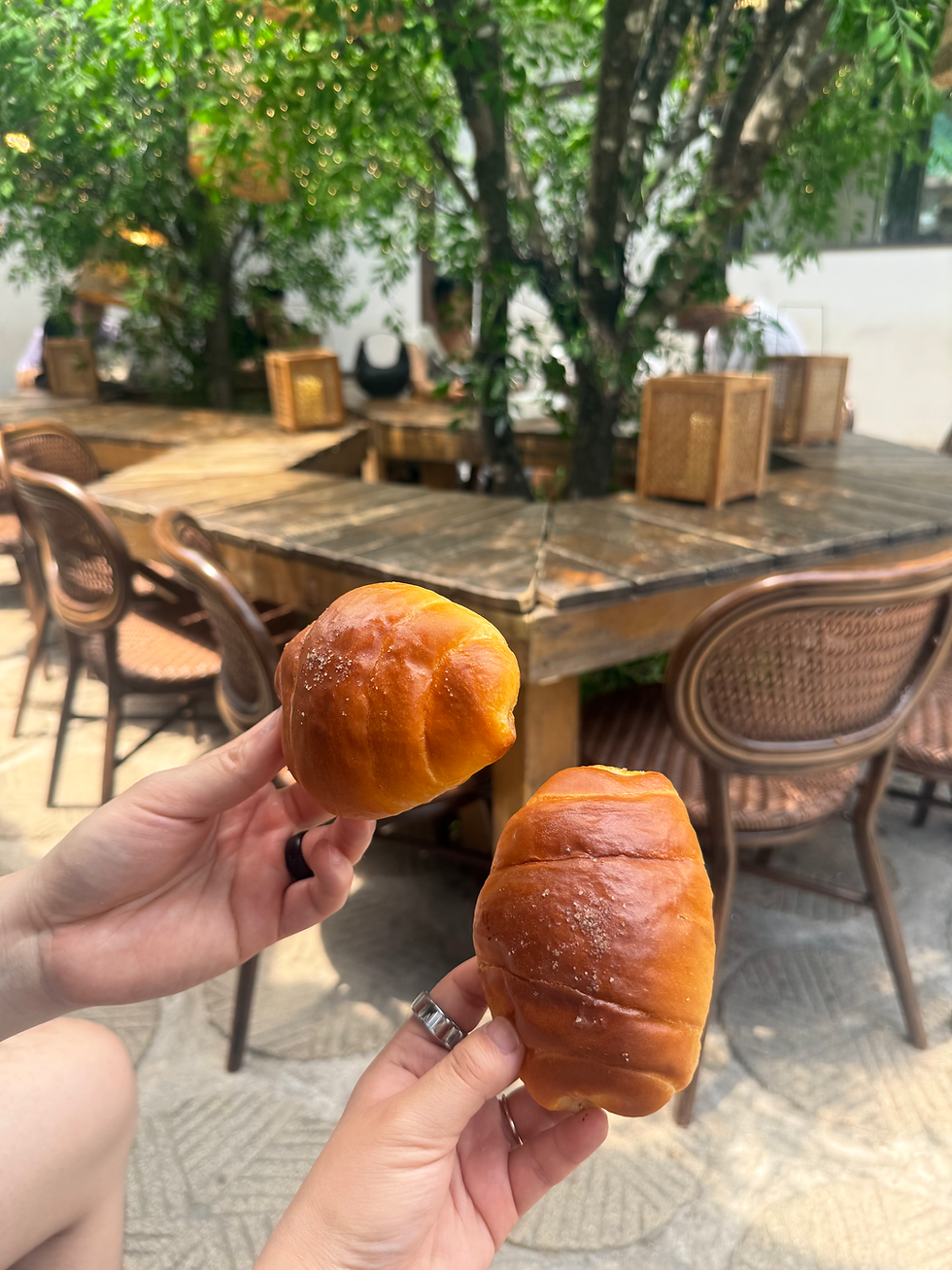
Once we started exploring, I learned quickly that Seoul's neighborhoods each have their own personality. We wandered through Ikseon-dong Hanok Village, a cluster of restored traditional Korean houses that now hold tiny shops and food spots, and tried Korea's famous salt bread, which absolutely lived up to the hype.
Then we headed to Seongsu for shopping, and this is my first real piece of advice. If you are going to Myeongdong only because it is the most famous shopping area, you are missing the better version of Seoul. Seongsu has a more local, trendy energy, full of boutiques, cafes, and flagship stores, and it is where we spent most of our time and money. That said, I would not skip Myeongdong entirely. Save it for the evening, when the night markets and street food come alive. Seongsu by day and Myeongdong after dark is the rhythm I would give any first-timer.
We ate well in between all of it. Two dishes I would tell you not to leave without trying are jjajangmyeon, the rich black bean noodles, and jjamppong, the spicy seafood noodle soup. Both are Seoul staples for a reason.

Korea's Skincare Culture Runs Deeper Than You Expect
The skincare culture surprised me the most. I knew Korea was known for K-beauty, but I did not realize how completely it is woven into daily life. Olive Young, which is essentially the Korean equivalent of Sephora with a much heavier focus on skincare and wellness, appeared on nearly every corner. At one point it felt like there were more Olive Youngs than convenience stores.
The flagship locations in Myeongdong and Seongsu are beauty destinations in their own right, with multiple floors, product testing zones, exclusive items, and tax refund services that add up fast when you shop the way we did. You will find thousands of products spanning established K-beauty brands, viral items you have seen online, and Olive Young's own well-reviewed private label.

An Honest Skincare Clinic in Gangnam
We also visited Nohd Dermatology in Gangnam for treatments, and this is the part I most want my clients to hear about. They ran a full skin analysis, recommended only what our skin actually needed, and never once pressured us to add services. They spoke excellent English and Chinese, and the treatments cost roughly three times less than comparable ones in the United States.
That honesty matters. Some of the larger clinics are known for high-pressure upselling, and it can sour the whole experience. Nohd was the opposite, and it left the decision genuinely in our hands. This is exactly the kind of place I want to point people toward, and the kind of detail you only learn by going yourself.

Two Luxury Hotels, Two Completely Different Trips
Our second hotel, Sofitel Ambassador Seoul, gave us something entirely different. The French design and Parisian decor are so convincing that some days it honestly felt like we had stepped into Europe without leaving the building. Sofitel sits in the affluent Jamsil area beside Seokchon Lake, which is famous for its frothy pink cherry blossoms in spring, and it is a short walk from Jamsil Station and its landmark neighbor, the Lotte World Tower. The rooftop bar on the 32nd floor quickly became one of our favorite evening spots.

Staying at both properties taught me something I now use constantly when I plan trips. Signiel is for the client who wants dramatic skyline views, Michelin-level dining, and that feeling of living above the clouds. Sofitel is for the client who wants European elegance, lakeside walks, and effortless access to Seoul's transit network. Those distinctions are exactly what an advisor is for. Book the wrong one for your style and you have spent a lot on a stay that does not fit. I will break down both hotels in full in separate reviews.

Who Will Love Seoul, and Who Should Plan Carefully
Seoul is close to perfect for travelers who love shopping, skincare, food, luxury hotels, and full, active itineraries. If you follow K-beauty or want professional treatments at a fraction of U.S. prices, you will be thrilled. The city also rewards people who enjoy discovering distinct neighborhoods and do not mind moving at a fast pace.
I want to be equally honest about who should plan a little harder, because Seoul is a hyper-organized, digital-first city and preparation is everything. If you have mobility limitations, know that while the modern subway stations have elevators, the cities are hilly and pedestrian-heavy, with steep inclines and narrow sidewalks outside the main tourist hubs. It is very doable with the right routing, which is something I can map out in advance.
If you are a strict vegan or have severe food allergies, be aware that Korean cooking leans heavily on meat, fish, and fermented pastes, and ingredients like anchovy stock, shrimp paste, and oyster sauce hide in a lot of broths and side dishes. Traveling with allergy cards written in Korean and choosing restaurants ahead of time makes a real difference.

If you love winging it, adjust your expectations rather than your plans. Top restaurants often need reservations and peak local holidays fill up quickly, so I would lock in the big pieces and leave the small ones loose. If you are hoping for an easy, chat-with-strangers party scene, the nightlife is excellent but tends to be localized, so going with a plan helps. And if your travel style is cheap and spontaneous, Seoul is a high standard-of-living city where even the fast KTX trains reward a mid-to-high budget and an organized itinerary. It is worth every bit of the effort, it simply is not a bargain backpacking destination.
We visited in June, and I will add one practical note. The heat combined with inconsistent air conditioning on the subway made midday travel uncomfortable. If you are sensitive to heat, I would aim for spring or fall.

How to Travel Seoul Like You Live There
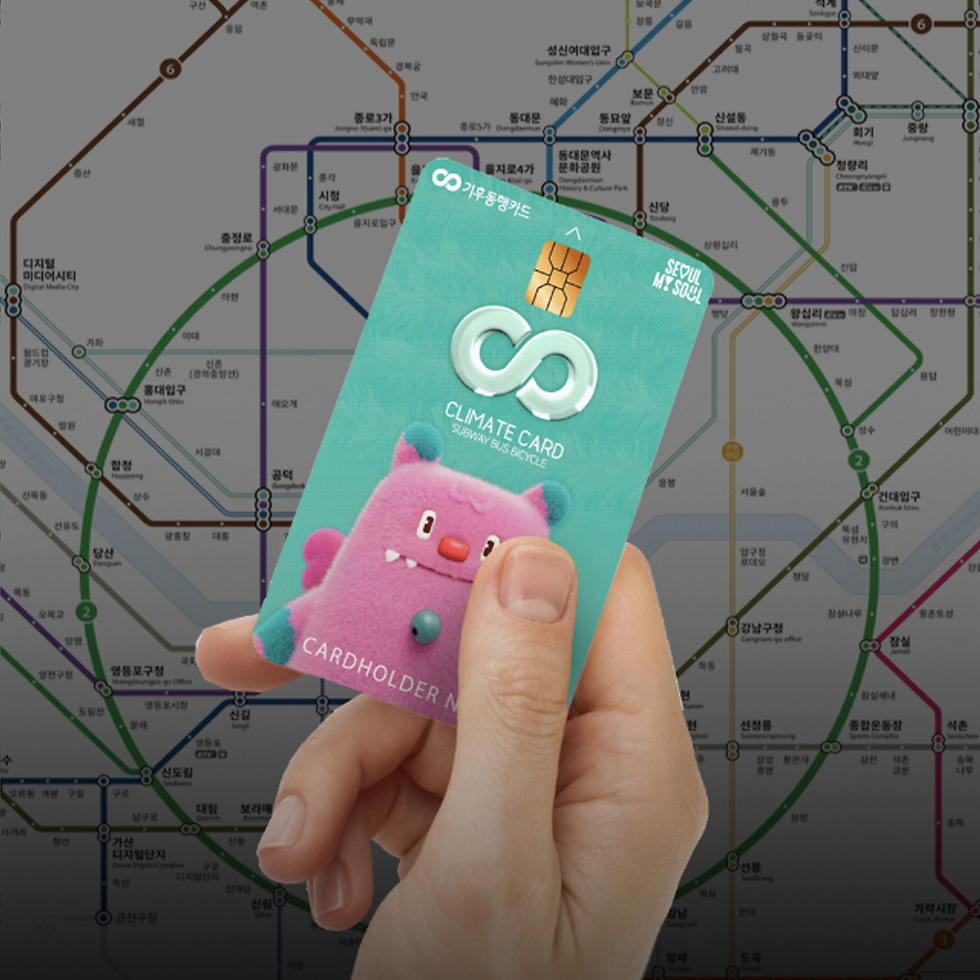
A few things I wish someone had told me before we landed. Get the Seoul Climate Card, a transit pass with unlimited rides on subways, city buses, and public bikes, available in short-term options from one to seven days. It pays for itself quickly when you are sightseeing all day. Get this at any convenience store and ask the cashier if you can purchase it. Then you need to go to a ticket machine and choose the amount of days you'd like to use it for.
Download the right apps before you go. Standard map apps do not fully work in Korea because of domestic policies, so Naver Map or KakaoMap are essential for directions, and the Subway Korea app makes the metro simple. For taxis, use Kakao T to hail one, always pay by card, and ask for a receipt to keep the fare fair.

A couple of lovely local touches. Rent a traditional hanbok from a shop near Gyeongbokgung Palace or Bukchon Hanok Village, because wearing traditional attire gets you free entry into the royal palaces. And mind the etiquette that makes a good impression. Tipping is not practiced and can come across as impolite, you pass and receive items like money or cards with both hands as a sign of respect, and you always remove your shoes when entering traditional accommodations or someone's home.

Bringing Seoul Home to My Clients
I came home understanding Seoul in a way no brochure could teach me. I know which apps you actually need, which neighborhoods are worth your afternoons, and which of these two extraordinary hotels matches which kind of traveler. That is the whole point of traveling with an advisor who has already been there.
If you are in Orange County and Seoul is on your mind, I would love to help you build it around the things that make it special. At TripMatters, a VIRTUOSO travel agency in Tustin, California, we plan custom international trips like this all the time, and we can layer VIRTUOSO perks onto participating luxury hotels so you get more for the same price. Stop by our Tustin office or schedule a free consultation, and keep an eye out for my full Signiel Seoul and Sofitel Ambassador Seoul reviews coming next.
Frequently Asked Questions
Is Seoul good for skincare and K-beauty shopping? Yes. Seoul is one of the best cities in the world for skincare and K-beauty. Olive Young stores are almost everywhere for products, and dermatology clinics offer professional treatments at roughly a third of U.S. prices. Neighborhoods like Seongsu are packed with flagship beauty stores.
How much cheaper are skincare treatments in Seoul than in the US? Based on our visit to Nohd Dermatology in Gangnam in June 2026, treatments ran about three times less than comparable ones in the United States. Many clinics also start with a skin analysis and recommend treatments based on your actual needs.
Should I shop in Myeongdong or Seongsu? For daytime shopping, Seongsu is the better pick. It is trendier and more local. Save Myeongdong for the evening, when the street food and night markets are at their best.
Does Google Maps work in South Korea? Not fully. Because of domestic policies, standard map apps do not give complete walking or transit directions in Korea. Download Naver Map or KakaoMap for navigation and the Subway Korea app for the metro.
When is the best time to visit Seoul? Spring and fall are the most comfortable. We went in mid-June and it was very hot, and many subways do not have reliable air conditioning. If you are sensitive to heat, avoid mid-summer.
Do I need a travel advisor for a trip to Seoul? Seoul rewards planning, and that is where an advisor helps. A TripMatters advisor in Orange County can handle hotel bookings, reservations, and routing, and can layer VIRTUOSO perks onto participating luxury hotels so you get more for the same price.


Comments